When researchers purchase laboratory products, they often focus on product availability, pricing, and manufacturer information. However, another important piece of information that frequently appears on pharmaceutical and laboratory products is the designation USP. Understanding what USP means and why it appears on product labeling can help researchers better interpret product information, compare products, and maintain organized purchasing records.
For researchers evaluating bacteriostatic water, learning about USP terminology provides additional context that supports informed purchasing decisions. While the letters “USP” may seem like a small detail on a product label, they represent an important part of how many pharmaceutical products are described and identified.
This guide explains what USP means, where researchers commonly see it, and why understanding product terminology is valuable when reviewing bacteriostatic water labels and supporting documentation.
What Does USP Mean?
USP stands for the United States Pharmacopeia, an independent, nonprofit organization that publishes quality standards for many medicines and pharmaceutical ingredients in the United States.
Researchers often encounter the USP designation while reviewing pharmaceutical product labels, package inserts, and manufacturer documentation.
Understanding what the USP designation represents helps researchers become more familiar with the terminology commonly used on pharmaceutical products.
Although researchers may see the USP designation on many products, it is always important to review the complete product labeling and manufacturer information rather than relying on a single abbreviation.
Why Researchers Pay Attention to USP Information
Researchers frequently review every detail on a product label before making purchasing decisions.
The USP designation is one part of the overall product information that may help researchers better understand the product they are evaluating.
Researchers commonly review:
- Product name
- Manufacturer
- Product volume
- Ingredient information
- Product identifiers
- Lot number
- Expiration date
- USP designation (when applicable)
Looking at the complete product label provides a more comprehensive understanding of the product than focusing on a single element.
Understanding Product Labels
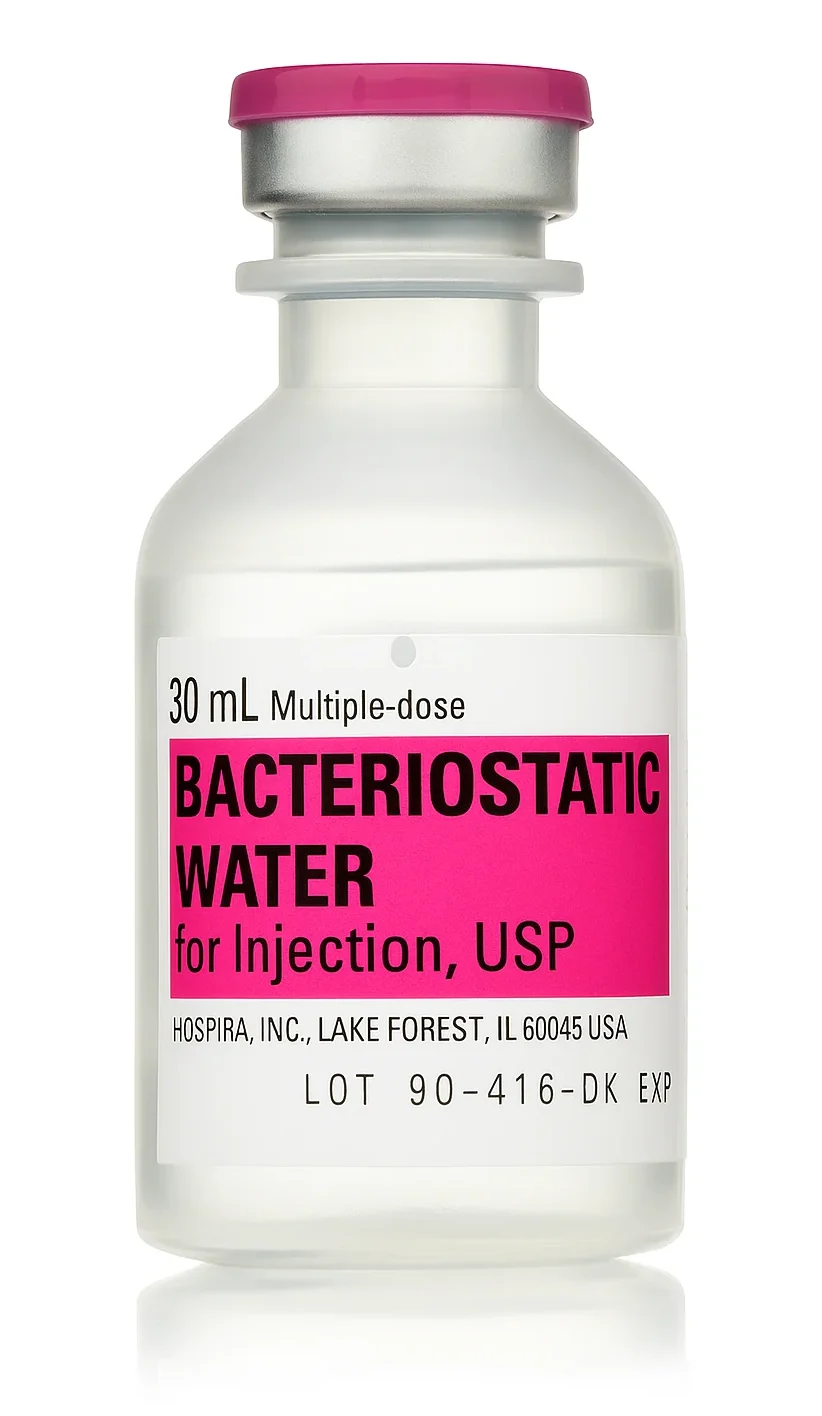
A pharmaceutical product label communicates several important pieces of information.
Researchers often use labels to verify:
Product Identity
The product name confirms exactly which item is being reviewed or purchased.
Manufacturer Information
Manufacturer information supports inventory organization and purchasing documentation.
Product Volume
Volume information assists laboratories with inventory counts and purchasing records.
Ingredient Information
Researchers frequently review ingredients to better understand product composition.
Lot Numbers
Lot numbers support inventory documentation and product traceability.
Expiration Dates
Expiration information assists with inventory organization and stock rotation.
Each component contributes to a more complete understanding of the product.
USP Terminology Within Product Documentation
Researchers often encounter USP terminology beyond the product label.
Additional documentation may include:
- Product information sheets
- Package inserts
- Manufacturer literature
- Product specifications
Reviewing these documents helps researchers maintain organized purchasing records while improving familiarity with product terminology.
Why Complete Documentation Matters
Researchers rarely rely on one document when evaluating laboratory products.
Instead, they often review multiple sources of information together.
Examples include:
- Product labels
- Product specifications
- Manufacturer documentation
- Certificates of Analysis (when available)
- Purchasing records
Using several sources allows researchers to better understand the product and maintain complete documentation within laboratory inventory systems.
Product Information Supports Better Purchasing
Purchasing decisions become easier when researchers understand how to interpret product information.
Rather than focusing exclusively on pricing or availability, experienced purchasing teams often review:
- Product descriptions
- Manufacturer information
- Labeling
- Product specifications
- Available documentation
A structured evaluation process supports consistent purchasing procedures and reduces unnecessary variability.
Why Standardized Terminology Is Helpful
Pharmaceutical labeling uses standardized terminology to improve communication.
Researchers who become familiar with commonly used terms often find it easier to:
- Compare products
- Read documentation
- Organize inventory
- Maintain purchasing records
- Communicate with suppliers
Standardized language contributes to greater consistency across laboratory operations.
Building Better Purchasing Habits
Developing good purchasing habits often begins with reviewing available information carefully.
Researchers commonly establish routines such as:
- Reading the complete product label
- Reviewing manufacturer information
- Recording lot numbers
- Saving supporting documentation
- Updating inventory records
These simple habits help create stronger purchasing systems while improving long-term organization.
Common Questions About USP
Researchers frequently ask:
What does USP stand for?
USP stands for the United States Pharmacopeia.
Why does USP appear on some product labels?
Researchers may encounter USP terminology on pharmaceutical products and supporting documentation as part of the product information provided by the manufacturer.
Should researchers read the entire product label?
Yes. Reviewing the complete product label helps researchers understand product identification, manufacturer information, ingredients, lot numbers, expiration dates, and other important details.
Supporting Long-Term Laboratory Organization
Understanding pharmaceutical terminology contributes to stronger laboratory organization.
Researchers who become familiar with common labeling terms often improve:
- Purchasing consistency
- Inventory management
- Documentation
- Product comparisons
- Operational efficiency
Knowledge supports better decision-making throughout the purchasing process.
Final Thoughts
Understanding USP terminology helps researchers interpret pharmaceutical product information more effectively. While the USP designation is only one part of a product label, learning what it represents contributes to a broader understanding of pharmaceutical documentation and laboratory purchasing.
When evaluating bacteriostatic water, researchers benefit from reviewing complete product labels, manufacturer information, product specifications, and supporting documentation rather than focusing on a single detail. A thoughtful review of all available information supports organized inventory management, informed purchasing decisions, and long-term laboratory efficiency.
As laboratories continue to prioritize organization, education, and consistency, becoming familiar with pharmaceutical terminology such as USP remains an important part of developing confidence when reviewing laboratory products.
Leave a Reply