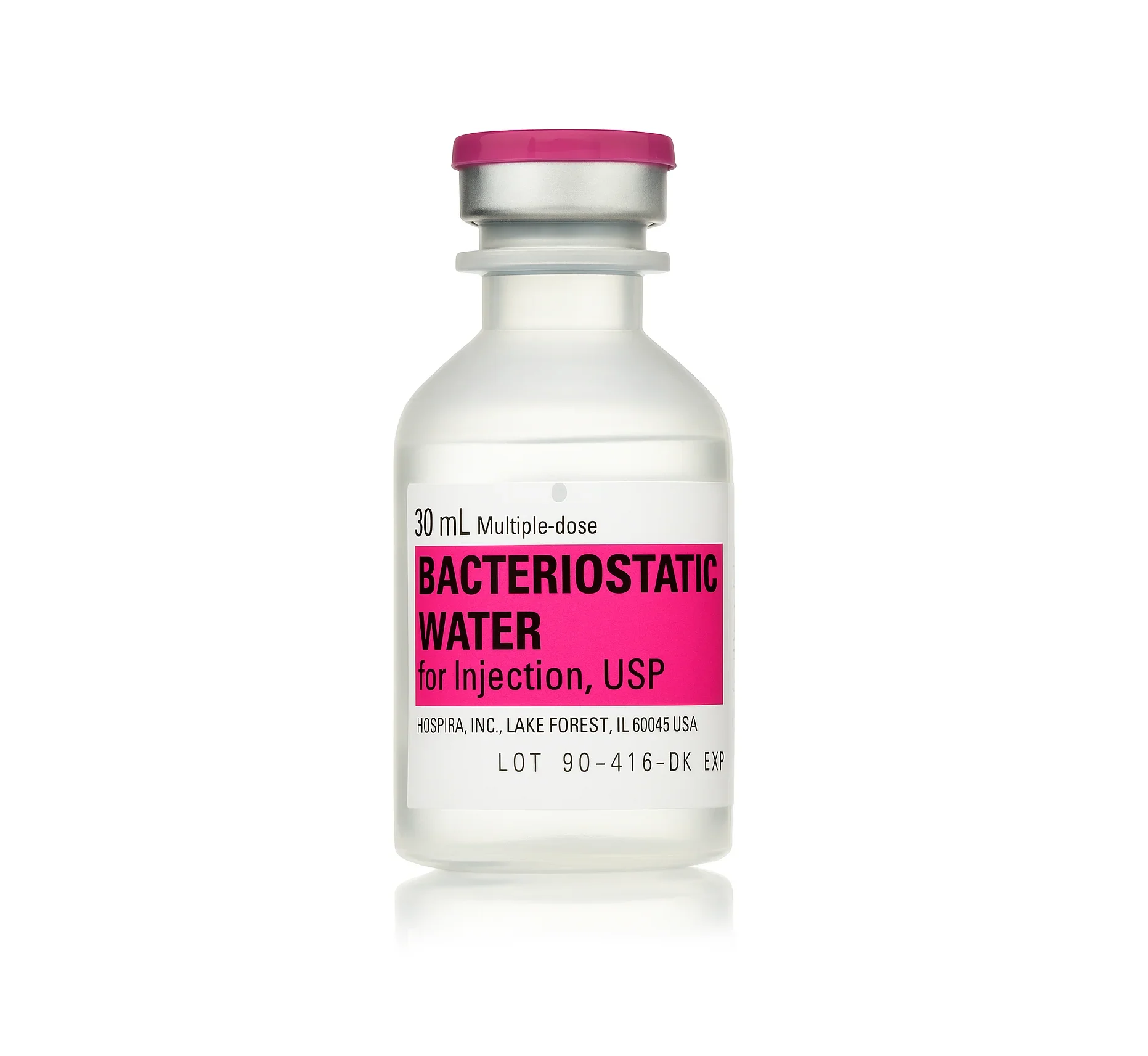
If you’ve searched online for Hospira Bacteriostatic Water or tried to buy bacteriostatic water, you’ve likely noticed that availability can sometimes be inconsistent. Products that are readily available one month may become difficult to find the next, leaving researchers and healthcare providers wondering why shortages occur.
Unlike many consumer products, pharmaceutical products are manufactured within highly regulated production environments that require extensive planning, specialized equipment, strict quality systems, and carefully managed supply chains. Because of this complexity, even relatively small disruptions can affect product availability.
Understanding why shortages occur can help researchers better understand the pharmaceutical supply chain while providing useful context when certain products become difficult to locate.
This guide explains the most common reasons bacteriostatic water availability may fluctuate and why supply changes are not always the result of a single event.
⸻
Why Pharmaceutical Product Availability Changes
Most pharmaceutical products are manufactured months before they ever reach distributors or retailers.
Production schedules must coordinate:
- Manufacturing capacity
- Packaging materials
- Distribution planning
- Warehouse inventory
- Transportation logistics
- Customer demand
Because every stage depends on the previous one, disruptions anywhere in the process can affect product availability.
Researchers sometimes assume a shortage means manufacturing has stopped entirely, but in many situations products are simply moving through a complex supply chain with changing inventory levels.
⸻
Growing Demand Can Affect Supply
One of the most common reasons products become difficult to obtain is increased demand.
Demand can rise because of:
- Seasonal healthcare needs
- Growth in medical treatments
- Increased research activity
- Purchasing by multiple distributors at the same time
- Changes in ordering patterns
When demand increases faster than production can respond, temporary shortages may occur until manufacturing and distribution catch up.
This is not unique to bacteriostatic water. Many pharmaceutical products periodically experience similar challenges.
⸻
Manufacturing Capacity
Pharmaceutical manufacturing is not as simple as increasing production overnight.
Manufacturers schedule production well in advance because facilities often produce multiple pharmaceutical products using the same equipment.
Production planning involves:
- Equipment scheduling
- Facility availability
- Personnel
- Packaging materials
- Quality documentation
- Distribution planning
Changing production schedules requires careful coordination, which is one reason increased demand may not immediately result in increased product availability.
⸻
Packaging Materials Also Matter
Many people focus only on the liquid inside the vial, but pharmaceutical products depend on numerous components before they can be shipped.
Examples include:
- Glass vials
- Rubber closures
- Aluminum seals
- Labels
- Cartons
- Packaging materials
If one component becomes difficult to obtain, the finished product may also become temporarily unavailable.
This demonstrates how interconnected pharmaceutical manufacturing has become.
⸻
Distribution Is Another Piece of the Puzzle
Even after manufacturing is complete, products still move through several stages before reaching customers.
Distribution commonly involves:
- Warehouses
- Wholesalers
- Medical suppliers
- Research distributors
- Online retailers
Inventory levels can vary among distributors, meaning one supplier may temporarily be out of stock while another still has inventory available.
For this reason, researchers may notice different availability depending on where they search.
⸻
Why Some Websites Show “Out of Stock”
An “Out of Stock” message does not necessarily indicate that manufacturing has permanently stopped.
Possible reasons include:
- Distributor inventory has sold through
- Additional shipments are in transit
- Warehouses are waiting for replenishment
- Products have been allocated to existing orders
Availability can change quickly as inventory moves through the supply chain.
⸻
The Role of Inventory Planning
Suppliers often work to balance inventory carefully.
Ordering too much inventory can create unnecessary storage costs, while ordering too little can increase the risk of temporary stock shortages.
Maintaining the right inventory level requires ongoing forecasting based on customer demand, historical purchasing patterns, and expected deliveries.
⸻
Why Researchers May Search Specifically for Hospira Bacteriostatic Water
Researchers often search for Hospira Bacteriostatic Water because they are familiar with the product or have previously used it.
During periods of higher demand or changing availability, searches for specific manufacturers may increase as buyers look for current inventory.
This increased search activity often reflects buyer interest rather than indicating a single cause for product availability.
⸻
How Educational Resources Help During Shortages
When products become difficult to locate, researchers often look for information before placing an order.
Educational articles can help explain:
- Why pharmaceutical shortages occur
- How supply chains operate
- Why inventory changes
- How to interpret product information
- How to compare suppliers
Providing educational content helps buyers better understand the broader context rather than assuming shortages have a single explanation.
⸻
Frequently Asked Questions
Why does bacteriostatic water sometimes become difficult to find?
Availability may change because of manufacturing schedules, increased demand, packaging material availability, distribution timing, or inventory fluctuations.
Does every supplier receive inventory at the same time?
No. Different suppliers may receive shipments on different schedules, which can result in temporary differences in product availability.
Does “out of stock” always mean manufacturing has stopped?
No. In many cases it reflects distributor inventory levels or products moving through the supply chain.
Why do researchers search specifically for Hospira Bacteriostatic Water?
Many buyers search by manufacturer because they are looking for a familiar product, detailed product information, or current availability.
https://bacteriostaticwatersupplies.com/collections/all
⸻
Why Reliable Information Matters
Periods of limited availability often lead to speculation.
Researchers benefit from relying on accurate product information, manufacturer communications when available, and reputable suppliers rather than assumptions or rumors.
Understanding how pharmaceutical manufacturing and distribution work helps put temporary shortages into perspective.
⸻
Final Thoughts
Temporary changes in the availability of bacteriostatic water can result from many factors, including increased demand, manufacturing schedules, packaging component availability, distribution timing, and inventory management throughout the pharmaceutical supply chain. Rather than pointing to a single cause, it’s more accurate to recognize that pharmaceutical products move through a complex system before reaching healthcare providers and researchers.
For those searching for Hospira Bacteriostatic Water, understanding how pharmaceutical manufacturing and distribution operate provides valuable context when inventory fluctuates. By reviewing reliable product information, checking reputable suppliers, and following educational resources, researchers can better understand why availability changes over time while making informed purchasing decisions.
Leave a Reply