Inside the Pharmaceutical Supply Chain: How Sterile Medical Products Reach Healthcare Providers
When most people order a pharmaceutical product online or receive one from a pharmacy, they rarely think about everything that happened before that product reached their hands.
READ OUR ULTIMATE GUIDE ON HOSPIRA BAC WATER
Long before a sterile pharmaceutical product arrives at a healthcare facility, pharmacy, or distributor, it has already traveled through a carefully managed supply chain involving manufacturing, quality testing, packaging, warehousing, transportation, and distribution.
Each step plays an important role in helping products arrive in the condition intended by the manufacturer.
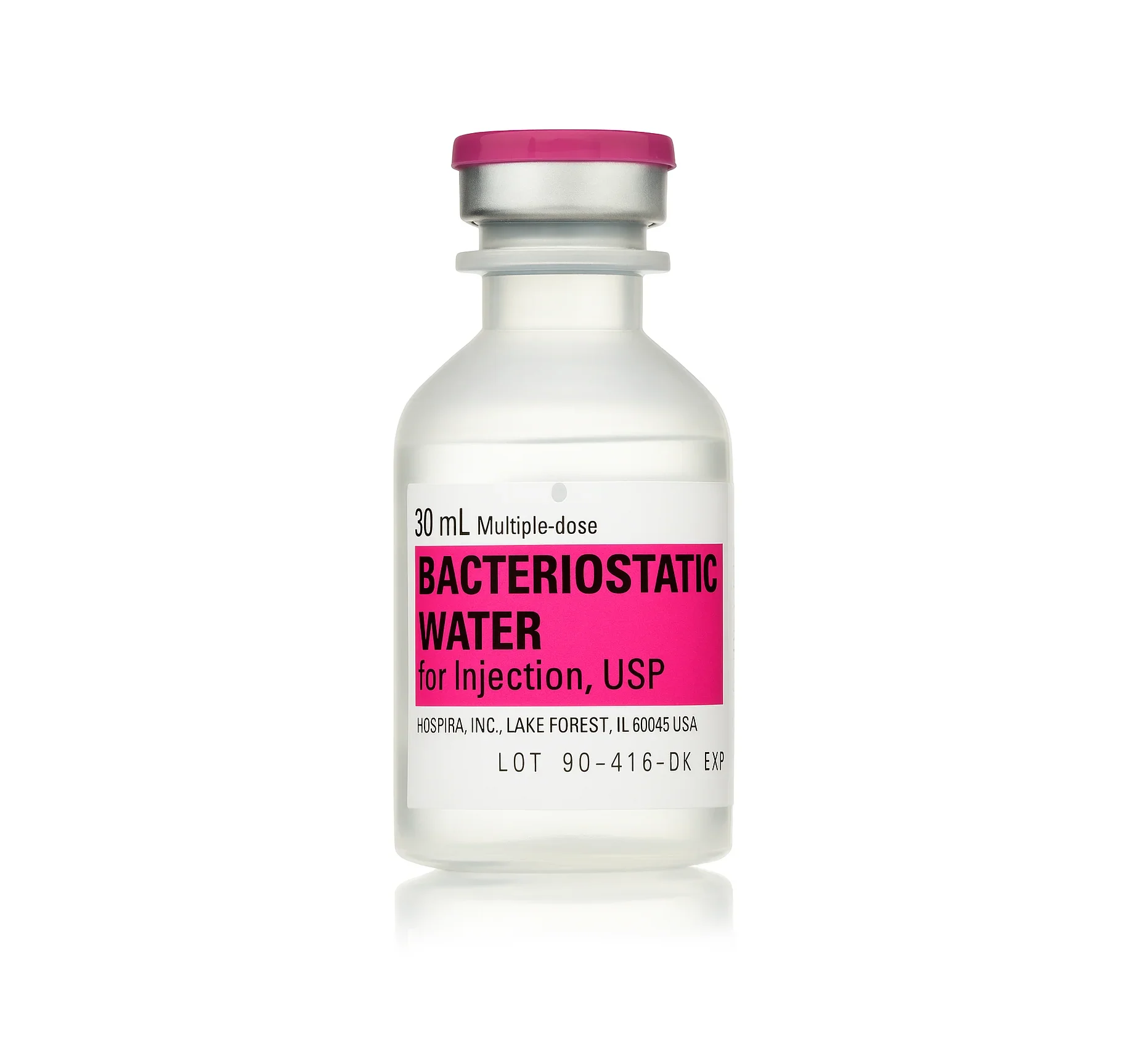
Whether you’re researching pharmaceutical products or looking to better understand products such as Hospira® Bacteriostatic Water for Injection, USP, learning how the pharmaceutical supply chain works provides valuable insight into why quality systems, distribution networks, and inventory management matter.
⸻
What Is the Pharmaceutical Supply Chain?
The pharmaceutical supply chain is the network of organizations and processes involved in moving medications and sterile pharmaceutical products from the manufacturer to healthcare providers, pharmacies, distributors, and ultimately to patients when appropriate.
Unlike many consumer products, pharmaceutical products require additional oversight throughout distribution because product quality, identification, documentation, and traceability are essential.
The supply chain generally includes:
- Manufacturers
- Quality assurance teams
- Packaging facilities
- Distribution centers
- Authorized distributors
- Wholesalers
- Pharmacies
- Healthcare providers
Each participant has a specific role in helping products move safely and efficiently through the distribution process.
⸻
Manufacturing Comes First
Every pharmaceutical product begins with manufacturing.
Sterile pharmaceutical products are produced in specialized facilities designed to meet strict quality and regulatory standards.
Manufacturing facilities utilize carefully controlled environments, documented production procedures, environmental monitoring, and extensive quality systems to support product quality.
Before products move to the next stage of distribution, manufacturers perform numerous quality checks consistent with applicable regulatory requirements.
These quality systems are designed to help ensure that products meet the manufacturer’s specifications before they are released for distribution.
⸻
Quality Assurance Is Built Into Every Step
Quality assurance isn’t a single inspection performed at the end of production.
Instead, quality systems are integrated throughout manufacturing.
Examples include:
THE ULTIMATE GUIDE TO HOSPIRA BAC WATER
- Raw material verification
- Environmental monitoring
- Equipment qualification
- Process validation
- Packaging inspections
- Label verification
- Batch documentation
- Final product review
Every stage contributes to maintaining consistency and supporting product quality before distribution.
⸻
Packaging Before Distribution
After manufacturing and quality review, products are packaged for shipment.
Packaging serves multiple purposes.
It helps:
- Protect the product
- Display identifying information
- Include manufacturer details
- Provide lot numbers
- Display expiration dates
- Support inventory management
For sterile pharmaceutical products, packaging also plays an important role in helping preserve product integrity throughout transportation and storage.
BUY HOSPIRA BACTERIOSTATIC WATER ONLINE
Distribution Centers Keep Products Moving
Once products leave the manufacturer, they often move to distribution centers.
These facilities help organize inventory before products are shipped to hospitals, pharmacies, clinics, and other healthcare providers.
Distribution centers may receive products from numerous manufacturers and coordinate shipments to thousands of healthcare locations across the country.
Inventory systems allow distributors to monitor product availability and respond efficiently to customer demand.
⸻
Authorized Pharmaceutical Distributors
Many manufacturers work with authorized pharmaceutical distributors to help move products efficiently throughout the healthcare system.
These distributors specialize in handling pharmaceutical products and supplying licensed healthcare providers, pharmacies, hospitals, and clinics.
They maintain sophisticated inventory systems that help coordinate product movement while supporting traceability and documentation.
Working with established distribution networks helps manufacturers make products available across broad geographic regions.
⸻
Warehousing and Inventory Management
Warehousing involves much more than simply storing products on shelves.
Modern pharmaceutical warehouses utilize advanced inventory systems to organize products, manage stock rotation, and track inventory levels.
Warehouse teams monitor incoming shipments, organize storage locations, prepare outgoing orders, and maintain documentation to support efficient operations.
Good inventory management helps reduce delays while ensuring products are distributed according to established procedures.
⸻
Why Product Availability Can Change
Customers occasionally notice that a pharmaceutical product becomes temporarily more difficult to locate.
Several factors may influence product availability.
These can include:
- Manufacturing schedules
- Distribution timing
- Inventory demand
- Transportation delays
- Packaging updates
- Increased purchasing activity
Temporary changes in availability do not necessarily indicate that a product has been discontinued.
Instead, they often reflect normal fluctuations within a complex pharmaceutical supply chain.
⸻
Shipping Sterile Pharmaceutical Products
Transportation is another important part of the supply chain.
Products move between manufacturers, distributors, warehouses, pharmacies, and healthcare facilities using carefully coordinated logistics networks.
Shipping partners help move products efficiently while maintaining documentation throughout the process.
Reliable transportation supports timely deliveries and helps maintain consistent product availability across different regions.
⸻
The Role of Pharmacies and Healthcare Providers
Once products reach pharmacies, hospitals, clinics, and healthcare providers, they become available for use according to the manufacturer’s labeling and applicable healthcare requirements.
Healthcare professionals rely on manufacturer information, product labeling, lot numbers, expiration dates, and inventory systems to help manage pharmaceutical products appropriately.
⸻
Why Traceability Matters
One important feature of the pharmaceutical supply chain is traceability.
Documentation allows manufacturers and distributors to identify specific batches, shipment histories, and inventory records.
Traceability supports inventory management, quality systems, and regulatory compliance throughout the product’s lifecycle.
⸻
Technology Has Improved Pharmaceutical Logistics
Today’s pharmaceutical supply chain is supported by sophisticated technology.
Inventory software, barcode systems, electronic ordering, warehouse automation, and shipment tracking all contribute to greater efficiency.
These systems help distributors respond quickly to changing demand while improving inventory visibility across large distribution networks.
⸻
Why Customers Benefit From Specialized Suppliers
Many customers choose specialized suppliers because those businesses focus on a narrower product category.
Rather than offering thousands of unrelated products, specialized suppliers can provide:
- Detailed product information
- Educational resources
- Responsive customer support
- Focused product selection
- Efficient order fulfillment
- Convenient online ordering
For customers researching Hospira® Bacteriostatic Water for Injection, USP, specialized suppliers can make it easier to locate manufacturer-specific information and review product details before ordering.
⸻
Frequently Asked Questions
Why do pharmaceutical products pass through distributors?
Distributors help manufacturers efficiently supply pharmacies, hospitals, clinics, and healthcare providers across large geographic areas.
Why do products sometimes become temporarily unavailable?
Availability can change due to manufacturing schedules, inventory demand, transportation timing, packaging updates, or distribution logistics.
Why are lot numbers important?
Lot numbers help manufacturers, distributors, pharmacies, and healthcare providers identify specific production batches and support product traceability.
Why is packaging such an important part of distribution?
Packaging helps protect products during shipping while providing important identifying information such as the manufacturer, product name, expiration date, and lot number.
Where can I learn more about Hospira® Bacteriostatic Water?
For a detailed overview of Hospira®, USP standards, packaging, manufacturer history, and product information, visit our Ultimate Guide to Hospira® Bacteriostatic Water.
⸻
Final Thoughts
Every sterile pharmaceutical product travels through a carefully coordinated supply chain before reaching a pharmacy, healthcare provider, or specialized supplier.
From manufacturing and quality assurance to packaging, warehousing, distribution, and transportation, each step contributes to ensuring products are properly identified and efficiently delivered.
Understanding this process helps customers appreciate the complexity behind pharmaceutical distribution and why manufacturer information, product labeling, and reliable suppliers all play an important role in the healthcare system.
Leave a Reply