
BUY BACTERIOSTATIC WATER SUPPLIES WATER
Inside a Pharmaceutical Cleanroom: How Sterile Products Are Manufactured
When most people think about pharmaceutical manufacturing, they imagine large factories filled with sophisticated equipment. While that image is partly accurate, one of the most important parts of the manufacturing process often goes unseen—the pharmaceutical cleanroom.
Cleanrooms are specially engineered environments designed to help support the production of sterile pharmaceutical products. From purified water systems and specialized air filtration to carefully controlled environmental conditions, every aspect of a cleanroom is designed with one goal in mind: maintaining a highly controlled manufacturing environment.
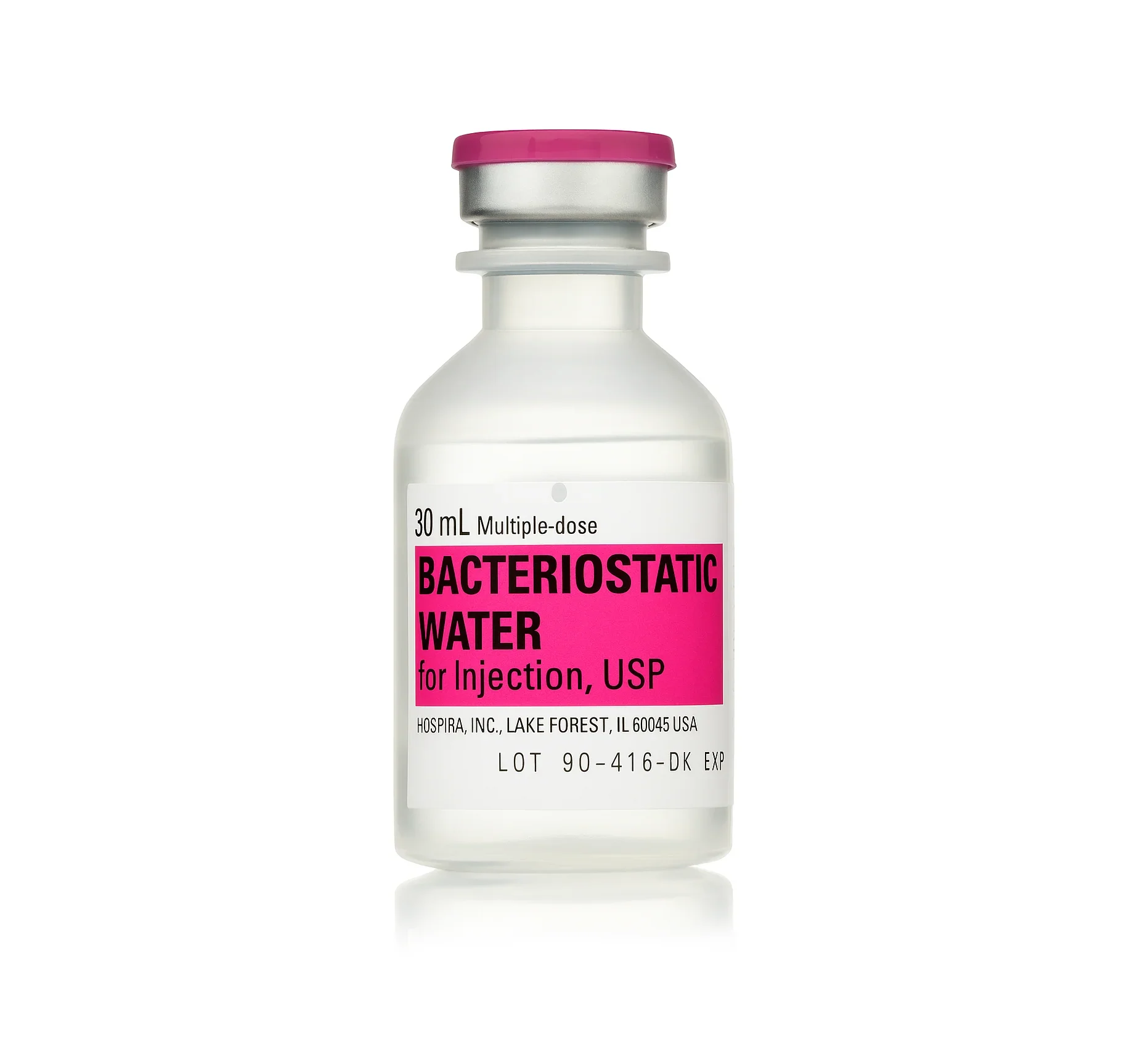
Whether producing Bacteriostatic Water for Injection, USP, Sterile Water for Injection, USP, or other sterile pharmaceutical products, manufacturers depend on cleanrooms as an essential part of modern pharmaceutical production.
Understanding how these facilities operate provides valuable insight into the extensive work that occurs before a sterile pharmaceutical product ever reaches a customer.
What Is a Pharmaceutical Cleanroom?
A pharmaceutical cleanroom is a controlled manufacturing environment where airborne particles, temperature, humidity, and air pressure are carefully monitored.
Unlike ordinary manufacturing facilities, cleanrooms are specifically designed to reduce environmental contamination during pharmaceutical production.
Every detail of the room is carefully engineered.
Walls are constructed using specialized materials.
Floors are designed for easy cleaning.
Lighting is selected to support inspections.
Air continuously moves through advanced filtration systems.
Together, these features create an environment that supports sterile manufacturing.
Why Cleanrooms Matter
Sterile pharmaceutical products require manufacturing environments that are significantly different from ordinary production facilities.
Even microscopic airborne particles can interfere with sterile manufacturing processes.
Because of this, manufacturers invest millions of dollars designing facilities that carefully control environmental conditions throughout production.
Rather than relying on a single cleaning procedure, pharmaceutical manufacturers continuously monitor cleanrooms while production is taking place.
This ongoing monitoring helps verify that manufacturing conditions remain within established operating parameters.
Air Filtration Systems
One of the most important features inside a pharmaceutical cleanroom is the air handling system.
Unlike the ventilation system found in homes or office buildings, pharmaceutical cleanrooms use highly specialized filtration designed to continuously clean circulating air.
These systems are engineered to reduce airborne particles while maintaining carefully controlled airflow throughout the manufacturing area.
Air is continuously filtered, monitored, and recirculated to support the clean manufacturing environment.
The movement of air is carefully planned so that production areas receive a constant supply of filtered air during manufacturing operations.
Positive Air Pressure
Many pharmaceutical cleanrooms operate using carefully controlled positive air pressure.
Positive pressure helps reduce the movement of unfiltered air into controlled manufacturing areas whenever doors are opened.
Maintaining appropriate air pressure is one of many engineering controls used throughout sterile pharmaceutical facilities.
Combined with advanced filtration systems, positive pressure supports the overall cleanroom environment.
Environmental Monitoring
Cleanrooms are monitored continuously throughout production.
Manufacturers routinely evaluate factors such as:
• Air quality
• Temperature
• Humidity
• Air pressure
• Equipment performance
• Environmental conditions
These measurements help manufacturers verify that production continues under controlled conditions.
Environmental monitoring is performed according to documented quality procedures established by each manufacturer.
Gowning Procedures
Before employees enter a pharmaceutical cleanroom, they follow carefully designed gowning procedures.
Depending on the manufacturing area, personnel may wear:
• Sterile gowns
• Hair coverings
• Face masks
• Protective gloves
• Shoe covers
• Safety glasses
BEST WATER FOR PEPTIDES BUY HERE
The purpose of these procedures is to help support the controlled manufacturing environment.
Employees receive specialized training before working inside sterile production areas.
Cleanroom Design
Every part of a pharmaceutical cleanroom is intentionally designed.
Corners are often rounded to make cleaning easier.
Surfaces are selected because they can withstand repeated cleaning.
Equipment is positioned to improve workflow while supporting manufacturing efficiency.
Even lighting placement is carefully planned to assist manufacturing personnel and quality inspectors.
Unlike traditional factories, pharmaceutical facilities are engineered around cleanliness, organization, and precision.
Water Systems Inside the Facility
Water plays an important role in pharmaceutical manufacturing.
Modern facilities utilize sophisticated purification systems that produce pharmaceutical-grade water used throughout manufacturing.
These purification systems may include:
• Reverse osmosis
• Distillation
• Ultraviolet treatment
• Filtration
• Continuous monitoring systems
Maintaining these systems requires ongoing testing and documentation as part of the manufacturer’s quality program.
Filling Sterile Pharmaceutical Vials
Once the manufacturing environment has been prepared and all quality checks have been completed, production can begin.
Modern pharmaceutical facilities use highly automated filling equipment designed to dispense precise amounts of product into sterile containers. Automation helps improve consistency while reducing unnecessary handling during production.
As each vial moves through the filling line, specialized equipment monitors fill volumes and production performance. Manufacturing personnel continuously observe the process while quality teams verify that production remains within established operating procedures.
The combination of automation and human oversight helps maintain consistent manufacturing throughout every production batch.
Stoppering and Sealing the Vials
Immediately after filling, each vial receives a pharmaceutical-grade rubber stopper.
The stopper is designed to create a secure closure while protecting the product inside the container.
WHAT IS BACTERIOSTATIC WATER READ HERE
An aluminum crimp seal is then applied over the stopper to hold it firmly in place.
Many pharmaceutical products also include a protective flip-off cap that covers the center portion of the stopper until the product is opened according to the manufacturer’s labeling.
Although these components appear simple, they are manufactured specifically for pharmaceutical applications and are carefully inspected before being used in production.
Inspection Throughout Manufacturing
Quality inspections occur throughout the manufacturing process rather than only at the end.
Manufacturers inspect raw materials before production begins.
Equipment is inspected before use.
Environmental conditions are monitored continuously.
Finished products are visually inspected before packaging.
Many pharmaceutical companies also use automated vision systems capable of identifying cosmetic imperfections, labeling issues, or packaging inconsistencies.
These inspections help support manufacturing consistency while maintaining detailed production records.
Documentation Is Part of Every Batch
Every manufacturing batch is accompanied by extensive documentation.
Manufacturers record information related to:
• Production dates
• Equipment used
• Environmental monitoring
• Lot numbers
• Packaging information
• Inspection activities
• Quality reviews
Maintaining detailed records helps support product traceability throughout manufacturing and distribution.
Packaging the Finished Product
After inspection, products move into final packaging.
Labels are applied according to the manufacturer’s approved specifications.
The finished products are then placed into cartons or shipping containers designed to protect them during transportation.
Packaging also helps warehouses organize inventory more efficiently while making products easier to identify throughout the supply chain.
Proper packaging is an important part of maintaining product integrity during shipping and storage.
From the Manufacturing Facility to Distribution Centers
Once production has been completed and products have passed the manufacturer’s quality release procedures, they begin their journey through the pharmaceutical distribution network.
Products are transported to warehouses and distribution centers where inventory is organized before orders are prepared.
Modern inventory systems help businesses monitor stock levels, lot numbers, expiration dates, and product locations.
These systems improve efficiency while supporting accurate order fulfillment.
Continuous Improvement
The pharmaceutical industry continues to invest in new technologies that improve manufacturing efficiency.
Automation, advanced monitoring systems, computerized quality documentation, and improved production equipment continue to strengthen modern pharmaceutical manufacturing.
Although technology continues evolving, the industry’s commitment to producing consistent, high-quality sterile pharmaceutical products remains unchanged.
Manufacturers regularly evaluate production processes to identify opportunities for improvement while maintaining established quality standards.
Why Customers Benefit From Cleanroom Manufacturing
Most customers never see the inside of a pharmaceutical manufacturing facility.
However, every sterile pharmaceutical product reflects the work performed inside these carefully controlled environments.
From purified water systems and environmental monitoring to automated filling lines and comprehensive quality inspections, each stage of manufacturing contributes to producing consistent pharmaceutical products.
Understanding these processes helps customers appreciate the extensive planning and engineering behind every sterile pharmaceutical product.
Frequently Asked Questions
What is a pharmaceutical cleanroom?
A pharmaceutical cleanroom is a carefully controlled manufacturing environment designed to support the production of sterile pharmaceutical products by managing airborne particles and environmental conditions.
Why do pharmaceutical employees wear protective clothing?
Protective garments help support the controlled manufacturing environment by following established gowning procedures within cleanroom facilities.
Why is environmental monitoring important?
Manufacturers continuously monitor environmental conditions to verify that production continues within established operating parameters.
Why are sterile products manufactured in specialized facilities?
Sterile pharmaceutical manufacturing requires carefully designed environments, specialized equipment, documented procedures, and ongoing quality monitoring throughout production.
Why are products inspected multiple times?
Multiple inspections help manufacturers evaluate product quality during different stages of production, packaging, and labeling.
Final Thoughts
Modern pharmaceutical cleanrooms represent decades of scientific progress, engineering innovation, and manufacturing excellence. Every aspect of these facilities—from advanced air filtration systems to specialized equipment and comprehensive quality programs—is designed to support the production of sterile pharmaceutical products.
Although most customers only see the finished vial, the journey begins inside one of the most carefully controlled manufacturing environments in the world. Understanding how pharmaceutical cleanrooms operate provides valuable insight into the work that supports today’s sterile pharmaceutical products and the commitment manufacturers make to quality, consistency, and continuous improvement.
Whether you’re researching bacteriostatic water, sterile pharmaceutical manufacturing, or the healthcare supply chain, learning about cleanroom technology offers a deeper appreciation for the precision behind every sterile product.
Leave a Reply