
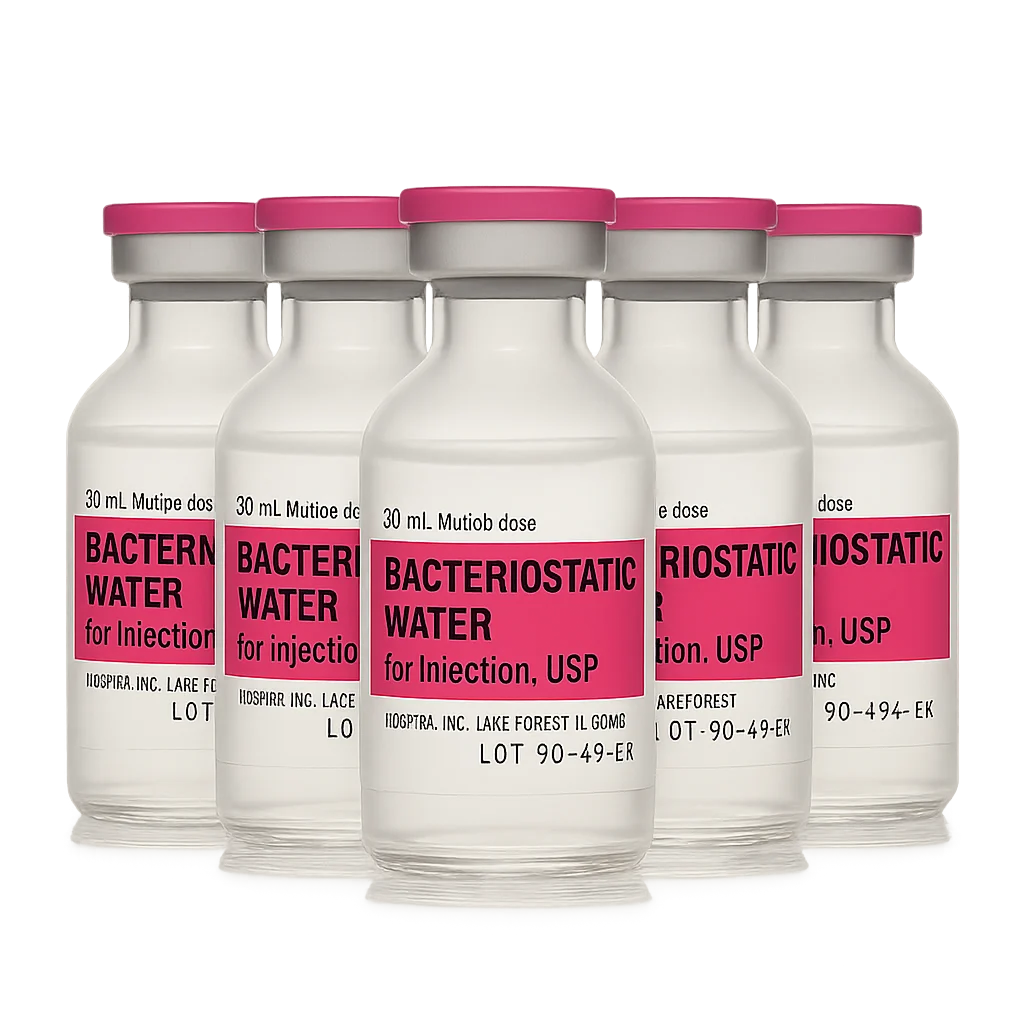
The internet has transformed how researchers learn about pharmaceutical products. A simple search for bacteriostatic water, research peptides, or Hospira Bacteriostatic Water can return thousands of results, including educational articles, scientific publications, supplier websites, product pages, videos, and discussion forums.
While this abundance of information is valuable, it also means researchers must evaluate the quality of the information they are reading.
A well-developed educational resource should be organized, easy to navigate, and written with the goal of helping readers understand a topic rather than simply promoting a product. Articles that explain terminology, product categories, pharmaceutical labeling, and manufacturer information often provide more long-term value than pages containing only a brief product description.
Researchers frequently compare multiple educational resources before forming conclusions, allowing them to build a broader understanding of pharmaceutical terminology and product identification.
Why Consistent Terminology Matters
Scientific communication depends on consistency.
Using standardized terminology helps researchers communicate clearly while reducing misunderstandings between laboratories, manufacturers, distributors, and suppliers.
Researchers commonly encounter terms such as:
- Bacteriostatic Water for Injection
- Sterile Water for Injection
- Water for Injection (WFI)
- USP
- Benzyl alcohol
- Manufacturer information
- Lot number
- Expiration date
Although these terms may appear technical, understanding them makes pharmaceutical literature much easier to interpret.
Educational resources play an important role by defining these terms in language that is accessible to both experienced researchers and those new to pharmaceutical products.
⸻
Understanding Manufacturer Information
Many people searching online specifically type Hospira Bacteriostatic Water rather than simply “bacteriostatic water.”
Manufacturer information helps researchers:
- Identify familiar products
- Compare supplier listings
- Review educational articles
- Compare product photographs
- Locate consistent product information
Searching by manufacturer also helps narrow search results, making it easier to locate the information most relevant to the researcher’s needs.
Rather than comparing hundreds of unrelated products, manufacturer-specific searches allow researchers to focus on educational resources and product information associated with a familiar product.
⸻
Why Product Photography Is More Important Than Many People Realize
Images are often overlooked, but they are one of the first things researchers examine when comparing supplier websites.
High-quality product photography allows visitors to review:
- Product labels
- Manufacturer identification
- Container appearance
- Packaging
- Product size
- Overall presentation
Clear photographs also support educational articles by helping readers connect written explanations with the product they are researching.
When several suppliers display consistent product information and clear photographs, researchers often feel more confident comparing product listings.
⸻
Pharmaceutical Labels Are Designed to Communicate Information
Every pharmaceutical label serves multiple purposes.
Rather than functioning solely as branding, labels communicate standardized information that allows products to be identified accurately.
Researchers commonly review:
Product Name
The complete product name identifies the product category.
Manufacturer
Manufacturer information distinguishes products and supports purchasing documentation.
Product Volume
Volume information helps researchers compare products accurately.
Ingredient Information
Ingredient listings provide additional context and help distinguish different pharmaceutical water products.
Lot Number
Lot identification supports organized inventory systems.
Expiration Date
Expiration information helps maintain accurate purchasing and inventory records.
Learning to interpret labels correctly is one of the most valuable skills researchers can develop.
⸻
Why Educational Content Builds Trust
Researchers often spend considerable time reading educational articles before placing an order.
Educational resources provide value because they explain:
- Pharmaceutical terminology
- Product identification
- Manufacturer information
- Product labeling
- Packaging
- Common questions
Rather than replacing product pages, educational articles complement them by providing background information that helps researchers better understand what they are reviewing.
A website that invests in educational content demonstrates a commitment to helping visitors learn, not simply browse products.
⸻
Common Mistakes When Researching Online
The internet offers a tremendous amount of information, but not every source is equally useful.
Researchers can improve their understanding by avoiding several common mistakes.
Reading Only the Product Title
A product title provides only limited information.
Reading the complete product description often reveals additional details about terminology, manufacturer information, and educational resources.
Relying on a Single Website
Comparing multiple reputable sources provides a broader understanding of pharmaceutical products.
Ignoring Educational Articles
Educational resources frequently explain terminology that product pages assume readers already understand.
Overlooking Product Labels
The label contains important identifying information that helps distinguish pharmaceutical products from one another.
⸻
Frequently Asked Questions
Why do researchers search for Hospira Bacteriostatic Water?
Many researchers search by manufacturer because they are looking for a familiar product, comparing supplier listings, or reviewing educational information.
Why are there different pharmaceutical water products?
Pharmaceutical water products belong to different categories and are identified through standardized terminology and labeling.
Why is pharmaceutical terminology important?
Understanding terminology allows researchers to interpret product labels, compare educational resources, and better understand pharmaceutical literature.
Why should researchers compare multiple educational resources?
Comparing multiple reliable sources provides broader context while improving confidence in the information being reviewed.
Why do supplier websites include educational articles?
Educational content helps explain terminology, product identification, labeling, and manufacturer information, allowing visitors to make more informed decisions.
⸻
Final Thoughts
As scientific research continues to evolve, education has become just as important as product availability. Researchers studying peptides and pharmaceutical water products increasingly rely on comprehensive educational resources to understand terminology, evaluate product information, and compare supplier websites before making purchasing decisions.
Products such as Hospira Bacteriostatic Water are frequently searched not only because researchers are looking for a supplier, but also because they are seeking trustworthy information about pharmaceutical water products, standardized labeling, and manufacturer identification. Educational content helps bridge the gap between technical pharmaceutical terminology and practical understanding, allowing researchers to navigate product pages and scientific resources with greater confidence.
The best educational resources do more than describe a product—they explain the broader concepts surrounding pharmaceutical products, including labeling, packaging, standardized terminology, and product identification. By investing time in learning these concepts, researchers build a stronger foundation for understanding the pharmaceutical industry and interpreting information from multiple reliable sources.
Whether you are beginning your exploration of peptide research or expanding your knowledge of bacteriostatic water, a commitment to education remains one of the most valuable tools available. As more information becomes accessible online, taking the time to understand terminology, compare reliable resources, and evaluate product information carefully will continue to support informed research and better decision-making.
Leave a Reply