
How Pharmaceutical Products Are Assigned Lot Numbers and Expiration Dates
THE ULTIMATE GUIDE TO HOSPIRA WATER
How Pharmaceutical Products Are Assigned Lot Numbers and Expiration Dates
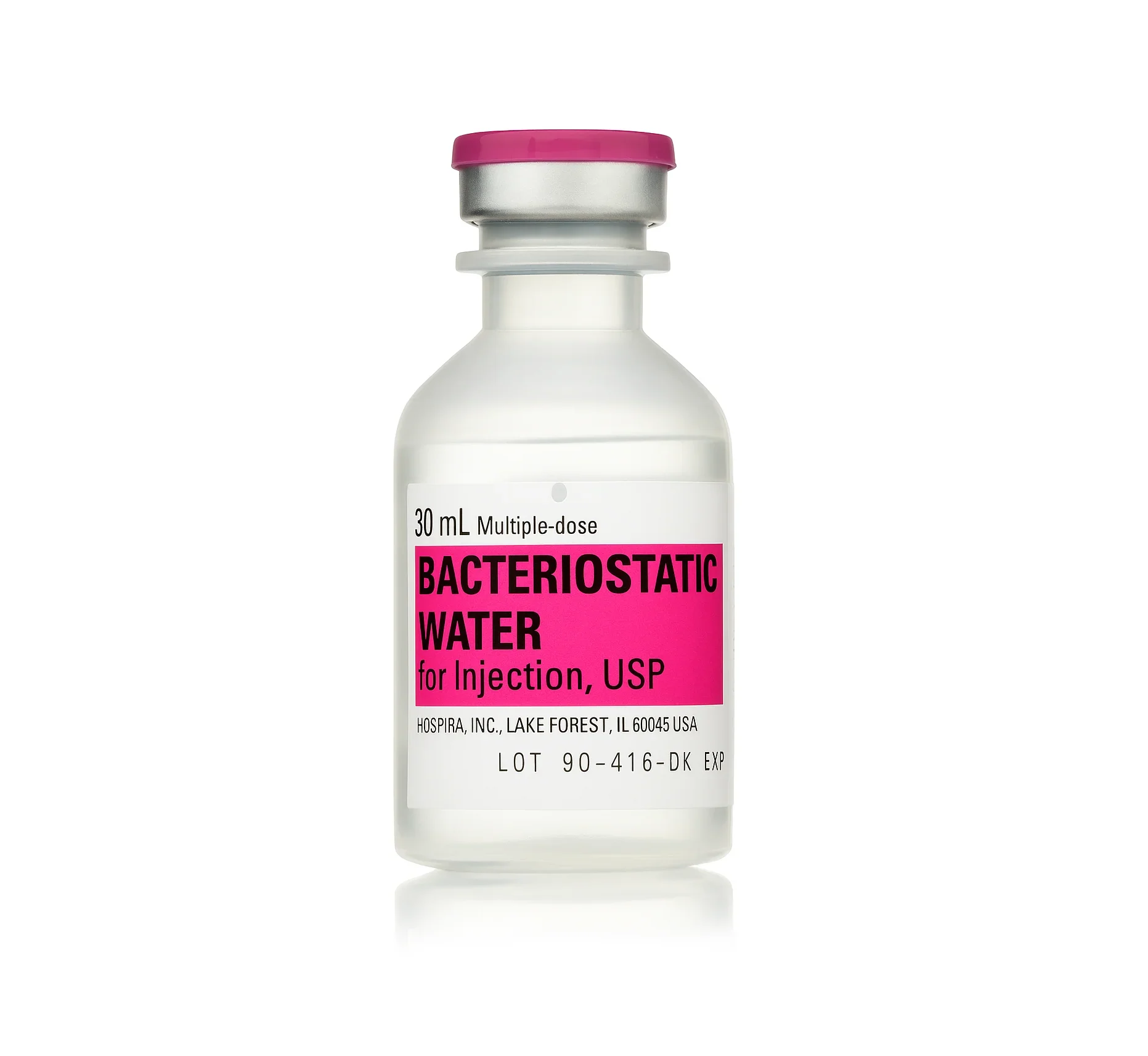
When customers receive a pharmaceutical product, they often notice two important pieces of information printed on the label: the lot number and the expiration date.
These details may seem like simple numbers and dates, but they play an important role in pharmaceutical manufacturing, inventory management, distribution, and product identification.
Whether you’re purchasing a sterile pharmaceutical product, researching products such as Hospira® Bacteriostatic Water for Injection, USP, or simply curious about how pharmaceutical products are tracked, understanding lot numbers and expiration dates provides valuable insight into the systems used throughout the healthcare industry.
⸻
What Is a Pharmaceutical Lot Number?
A lot number (sometimes called a batch number) is a unique identifier assigned by a manufacturer to a specific production batch.
Rather than assigning every individual bottle a completely different number, manufacturers produce products in carefully documented batches.
Each batch receives its own lot number.
This identifier helps manufacturers, distributors, pharmacies, and healthcare providers accurately identify products throughout the supply chain.
Lot numbers play an important role in:
- Inventory management
- Distribution records
- Product identification
- Quality documentation
- Shipping records
- Traceability
Healthcare professionals rely on lot numbers every day because they provide a standardized way to identify a particular production batch.
⸻
Why Lot Numbers Matter
Lot numbers allow manufacturers and distributors to accurately document where products travel throughout the supply chain.
If a manufacturer needs to review information about a specific production batch, the lot number provides a reference point for documentation associated with that batch.
This level of traceability supports quality systems used throughout pharmaceutical manufacturing.
Lot numbers also help distributors and healthcare providers organize inventory more efficiently.
Rather than referring only to a product name, inventory systems can distinguish between different production batches using the assigned lot number.
⸻
What Is an Expiration Date?
The expiration date is another important part of pharmaceutical labeling.
Manufacturers establish expiration dating through stability programs designed to evaluate how long a product is expected to meet its approved quality specifications when stored according to the manufacturer’s labeling.
The expiration date is printed directly on the product packaging so healthcare professionals and customers can easily identify it.
Customers should always review the expiration date upon receiving a pharmaceutical product and follow the manufacturer’s storage recommendations.
⸻
Why Expiration Dates Are Important
Expiration dates help communicate the period during which the manufacturer supports the product’s labeled quality when stored under the recommended conditions.
For healthcare providers and pharmacies, checking expiration dates is a routine part of inventory management.
Many facilities rotate inventory so products with earlier expiration dates are used first.
This helps reduce unnecessary waste and supports efficient inventory practices.
Customers should also review expiration dates before use and consult a healthcare professional with any questions regarding a product.
⸻
How Manufacturers Determine Expiration Dates
Manufacturers do not simply choose an expiration date at random.
Expiration dating is supported by stability testing performed under established scientific and regulatory standards.
These studies evaluate how products perform over time when stored under specified conditions.
The resulting data help determine the expiration period approved for the product.
This process helps ensure that expiration dating is based on documented evidence rather than estimates.
⸻
Lot Numbers and Expiration Dates Work Together
Although they serve different purposes, lot numbers and expiration dates are closely related.
The lot number identifies which production batch a product came from.
The expiration date identifies the period through which the manufacturer supports the product’s quality when stored according to the approved labeling.
Together, these identifiers help support inventory management, traceability, and product identification.
How Pharmacies Use Lot Numbers
Pharmacies routinely document lot numbers as part of inventory management and quality systems.
Lot numbers help pharmacy teams:
- Organize inventory
- Verify received shipments
- Maintain documentation
- Identify specific production batches when necessary
These practices contribute to the overall organization of pharmaceutical inventory.
⸻
Why Customers Should Review Their Product Label
When receiving a pharmaceutical product, customers should take a moment to review the information printed on the label.
This may include:
- Product name
- Manufacturer
- Volume
- Lot number
- Expiration date
- Storage information
Reviewing these details helps customers become familiar with the product they’ve received.
WHY RESEARCHERS CHOOSE BAC WATER
Common Questions
Does every bottle have a lot number?
Yes. Pharmaceutical products are typically assigned a lot or batch number so they can be identified throughout manufacturing and distribution.
Can two bottles have the same lot number?
Yes. Products manufactured in the same production batch generally share the same lot number.
Should I check the expiration date when my order arrives?
Yes. It’s good practice to review the expiration date and inspect the packaging when receiving any pharmaceutical product.
Where can I learn more about Hospira® Bacteriostatic Water?
For additional information about Hospira®, packaging, USP standards, and product identification, read our Ultimate Guide to Hospira® Bacteriostatic Water and visit our product page.
BUY HOSPIRA BACTERIOSTATIC WATER
Final Thoughts
Lot numbers and expiration dates are more than simple markings on a label. They are essential parts of the systems manufacturers, distributors, pharmacies, and healthcare providers use to identify products, manage inventory, and maintain documentation throughout the pharmaceutical supply chain.
Understanding what these identifiers mean can help customers better interpret product labels and appreciate the level of organization behind pharmaceutical manufacturing and distribution.
READ ABOUT WHERE TO BUY HOSPIRA BAC WATER
Leave a Reply